
Menu
Jan, 17, 2025
Blog Post
How the TikTok Ban in the United States Could Reshape the PR Industry
The Gist
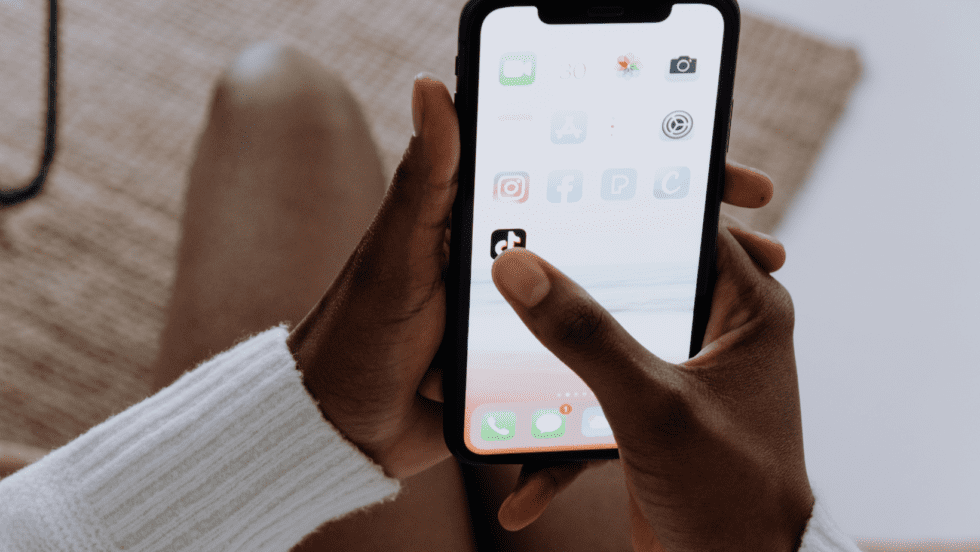
In recent years, TikTok has emerged as a dominant platform for creative content, offering brands an unparalleled opportunity to connect with younger audiences. With over 150 million U.S. users, the app has been a cornerstone of many public relations (PR) strategies. However, the potential ban of TikTok in the United States could drastically alter the PR landscape, forcing professionals to rethink how they engage with audiences and allocate their resources.
The Current Role of TikTok in PR
Click to expand
Its short-form, visually engaging content format allows brands to tell compelling stories.
TikTok influencers play a pivotal role in amplifying brand messages and driving trends.
The app’s algorithm encourages organic virality, making it possible for even small brands to gain massive reach.
For PR professionals, TikTok has been a playground of creativity and measurable ROI. A ban would disrupt these dynamics significantly.

The Immediate Impact of the Ban
If TikTok is banned, PR professionals will face several challenges:
Click to expand
Many brands have invested heavily in building TikTok communities. A ban would cut off direct access to these audiences.
Companies will need to redirect ad spending to other platforms like Instagram Reels, YouTube Shorts, and emerging apps such as Clapper or Lemon8.
TikTok-native influencers would lose their primary platform, complicating brand partnerships and reducing the pool of talent for campaigns.
TikTok’s unique content style may be difficult to replicate on other platforms, potentially stifling creative campaigns.
For PR professionals, TikTok has been a playground of creativity and measurable ROI. A ban would disrupt these dynamics significantly.

Long Term Implications
While the immediate effects of a TikTok ban are disruptive, the long-term consequences could reshape the PR industry in the following ways:
Click to expand
PR teams will need to focus on a broader mix of platforms to mitigate future risks. This could mean increasing investments in platforms like Instagram, YouTube, Snapchat, and even LinkedIn.
A TikTok ban may accelerate the adoption of alternative social media apps, creating new opportunities for PR campaigns.
Brands may prioritize building audiences on owned channels, such as email newsletters, websites, and proprietary apps, to reduce reliance on external platforms.
The reasons behind the TikTok ban—primarily concerns over data privacy—highlight the need for PR professionals to be more aware of compliance and data security issues in their campaigns.
Adapting to the new normal
PR professionals can take proactive steps to navigate the uncertainty surrounding TikTok’s future:
- Evaluate Platform Dependencies: Assess the reliance on TikTok within your PR strategy and identify alternative channels to reach your target audience.
- Strengthen Influencer Relationships: Work with influencers to transition their content strategies to other platforms.
- Invest in Analytics: Use data to understand where your audience is migrating and tailor your efforts accordingly.
- Experiment with Emerging Platforms: Stay ahead of trends by testing campaigns on newer apps and mediums.
Conclusion
While a TikTok ban in the U.S. presents significant challenges, it also offers an opportunity for the PR industry to innovate and diversify. By staying adaptable and forward-thinking, PR professionals can continue to build impactful campaigns in an evolving digital landscape.